Unlock the power of Google Keyword Planner without ads! Discover valuable keywords, boost your online presence, and follow Lebohang’s journey from Lesotho. Learn why Google Keyword Planner is a game-changer for businesses and individuals worldwide. Join us and take the first step in sharing your unique story with the world.
This article is your gateway to unlocking the potential of Google Keyword Planner, without the need for advertisements. Join us on a captivating journey through the mountains of Lesotho and learn how Lebohang, a humble blanket weaver, harnessed the power of keywords to transform his business and share his unique heritage with the world.
You’ll explore the ins and outs of Google Keyword Planner, discover invaluable tips for effective keyword research, and understand the importance of user intent and quality content. Uncover the secrets of keyword relevance, short-tail vs. long-tail keywords, and tracking performance, and find out how this powerful tool can resonate with you, your business, and your digital narrative.
Now let’s take a look at how the article is structured
I. Introduction:
– Set the stage with a suspenseful tale from Lesotho.
– Introduce the significance of Google Keyword Planner.
– Invite readers to discover its importance in everyday life and business.
II. Understanding Google Keyword Planner
– Explain what Google Keyword Planner is and its role in digital marketing.
– Highlight its free accessibility.
– Discuss the connection to Google Ads.
III. Accessing Google Keyword Planner:
– Provide a step-by-step guide on how to access the tool.
– Emphasize the user-friendliness.
– Include visual aids for clarity.
IV. Navigating the Tool:
– Explore the various features within Google Keyword Planner.
– Explain how to use the tool effectively.
– Discuss filters, location targeting, and keyword suggestions.
V. How to Use Google Keyword Planner Without Creating an Ad:
– Offer a clear and easy-to-follow guide for non-advertising use.
– Use Lesotho-based examples to illustrate.
– Explain the “Skip the guided setup” option.
VI. Finding Valuable Keywords:
– Share strategies for identifying valuable keywords.
– Discuss short-tail and long-tail keywords.
– Highlight the importance of keyword relevance and competition analysis.
VII. Using Keyword Data:
– Explain how to analyze keyword data provided by Google Keyword Planner.
– Discuss metrics like average monthly searches, competition, and bid estimates.
– Offer insights on selecting the right keywords.
VIII. Tips for Effective Keyword Research:
– Provide practical tips and best practices.
– Include insights on keyword trends and seasonality.
– Suggest ways to filter out low-volume keywords.
IX. Implementing Keywords:
– Explain how to integrate keywords into content.
– Use Lebohang’s journey as an example.
– Emphasize the importance of user intent and content quality.
X. Tracking Performance:
– Discuss methods for tracking keyword performance.
– Explain the use of analytics tools.
– Offer strategies to improve SEO based on data.
XI. Conclusion:
– Recap key takeaways from the article.
– Encourage readers to implement the knowledge gained.
– Urge them to comment, subscribe, and share the article.
XII. Tweet Call to Action:
– Include a compelling tweetable message that summarizes the article.
– Encourage readers to share their insights on social media.
Overview
In the heart of Southern Africa lies a land of enchanting beauty, a kingdom nestled in the majestic embrace of the Maluti Mountains. This land, Lesotho, is a place where serenity meets grandeur, where the skies touch the earth, and where mysteries often unfold. One particular mystery, veiled in the world of digital landscapes, surrounds the enigmatic realm of Google Keyword Planner. It is a tool that, when harnessed correctly, can unveil secrets that businesses and individuals alike need for their growth and survival. But, before we delve into this modern-day enigma, let me first take you on a journey where suspense and revelation intertwine.
In the village of Teyateyaneng, there lived a humble youth entrepreneur named Lebohang. Lebohang was known for his craftsmanship in weaving the finest mohair blankets, a skill passed down through generations in his family. Yet, despite the exceptional quality of his blankets, he faced an insurmountable challenge – finding customers in a rapidly changing world!
One crisp morning, as the sun kissed the mountaintops, Lebohang gazed at his blankets piled high, wondering how he could share their warmth and artistry with the world. He remembered tales of the modern world, a world beyond the Lesotho mountains, where the internet held the key to connecting with customers far and wide.
And so, our story begins, with Lebohang venturing into the digital world to discover the secrets that Google Keyword Planner held. He embarked on a journey that would not only change his life but also unveil the importance of this tool in the lives and businesses of people worldwide.
Understanding Google Keyword Planner:
Google Keyword Planner, often shrouded in the realm of digital marketing, is like a treasure map to the online world. It’s the tool that helps businesses and individuals navigate the vast ocean of the internet and find their hidden gems – keywords. These keywords are the key to unlocking the doors of online visibility, and they can make or break your digital presence.
What is Google Keyword Planner?
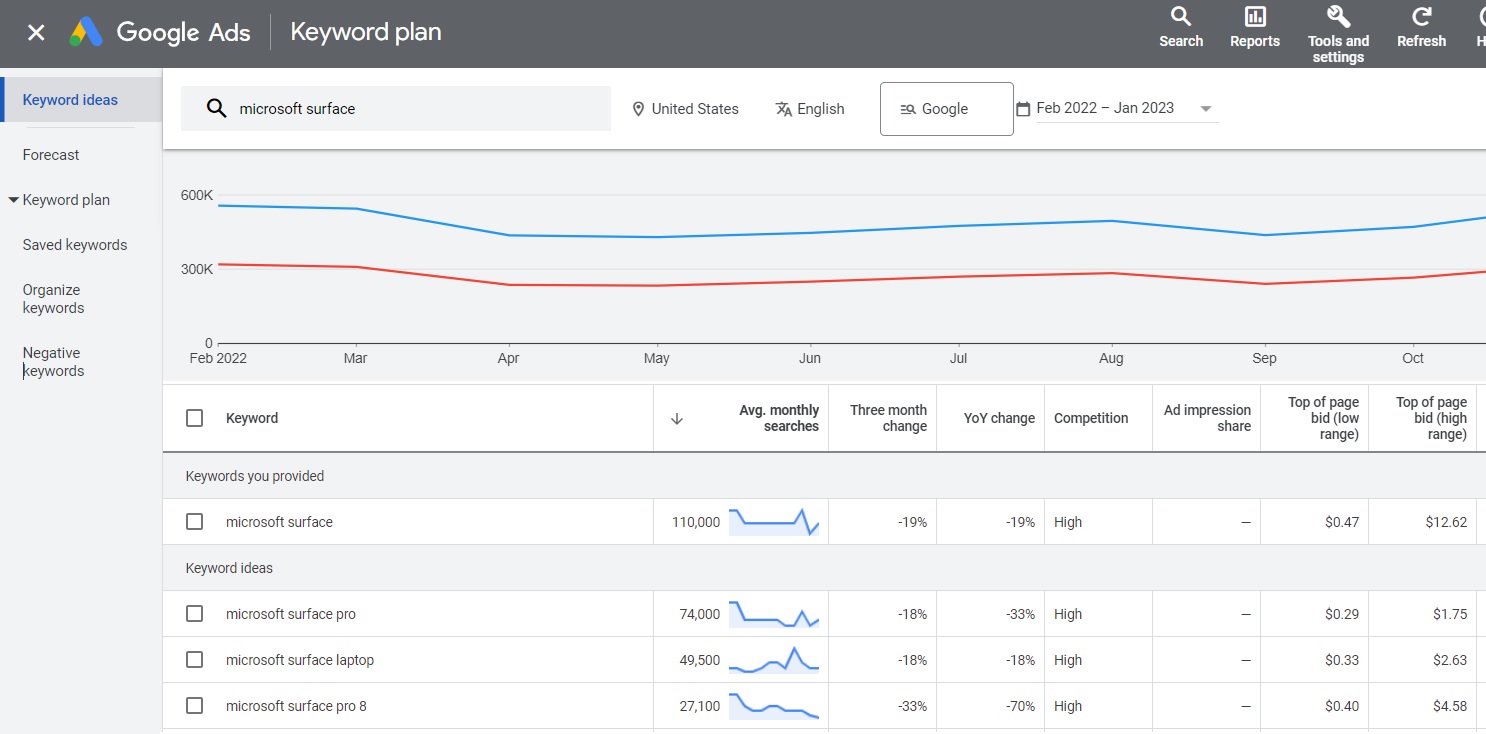
But first, let’s clarify what Google Keyword Planner is and why it matters. This tool is an integral part of Google Ads, designed to assist advertisers in building effective ad campaigns. However, here’s the secret: you can tap into its wealth of information without creating a single ad. It’s like accessing the treasure without embarking on a full-scale expedition.
Google Keyword Planner offers valuable insights into what people are searching for on the internet. It provides data on the search volume for specific keywords, their competition levels, and bid estimates. For our friend Lebohang in Lesotho, this information is a lifeline. He can use it to discover what potential customers around the world are looking for.
Accessing Google Keyword Planner:
Let’s journey into the world of Google Keyword Planner. To access this tool, all you need is a Google account. If you don’t already have one, creating one is a simple process. Once you’re logged in, follow these steps:
1. Navigate to Google Ads:
Begin by typing “Google Ads” into your search engine. Click on the first link that appears, and you’ll be redirected to the Google Ads platform.
2. Access the Keyword Planner:
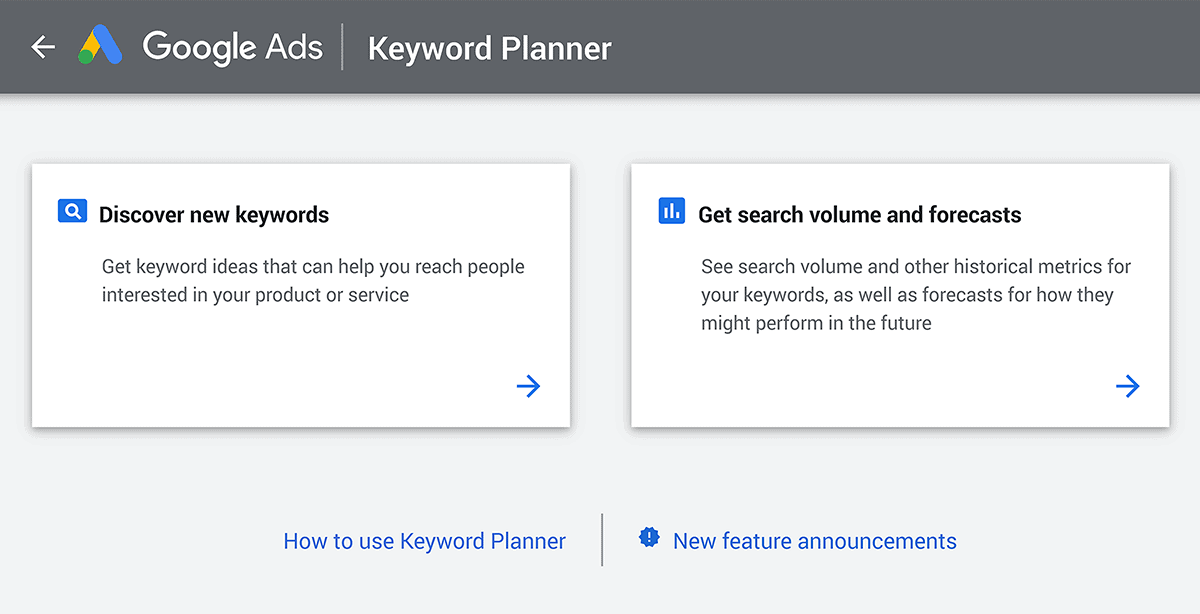
Within Google Ads, you’ll find the “Tools & Settings” menu. Click on it, and you’ll see a dropdown list. Select “Keyword Planner” from this list.
3. Select “Discover New Keywords”:
At this stage, you have two options: “Discover New Keywords” or “Get search volume and forecasts.” Lebohang, as a blanket weaver, is keen on discovering new keywords that might bring customers to his online store. So, he clicks on “Discover New Keywords.”
4. Enter Keywords or Phrases:
Here’s where you begin your journey of discovery. Lebohang enters keywords relevant to his mohair blankets, like “handwoven mohair blankets” and “Lesotho artisan blankets.”
By following these simple steps, Lebohang gains access to a treasure chest of keywords. Keywords that can connect him with customers who are searching for exactly what he offers. This knowledge is invaluable in today’s digital age.
Navigating the Google Keyword Planner Tool:
Now that Lebohang has accessed Google Keyword Planner, let’s take a closer look at how to navigate the tool effectively. The user interface is designed to be user-friendly, but there are some key features you should be aware of.
1. “Discover New Keywords” and “Get search volume and forecasts”:
As you’ve seen, the tool offers two main functions. “Discover New Keywords” helps you find keyword ideas, while “Get search volume and forecasts” provides data on specific keywords. For Lebohang, “Discover New Keywords” is a goldmine as it helps him unearth unexplored keyword opportunities.
2. Keywords Suggestions:
Once you’ve entered your initial keywords, Google Keyword Planner generates a list of related keyword suggestions. These suggestions are like signposts pointing you in the right direction. Lebohang, for instance, stumbles upon keywords like “handcrafted African blankets” and “unique Lesotho mohair throws.” These are like gems waiting to be discovered.
3. Search Volume and Competition:
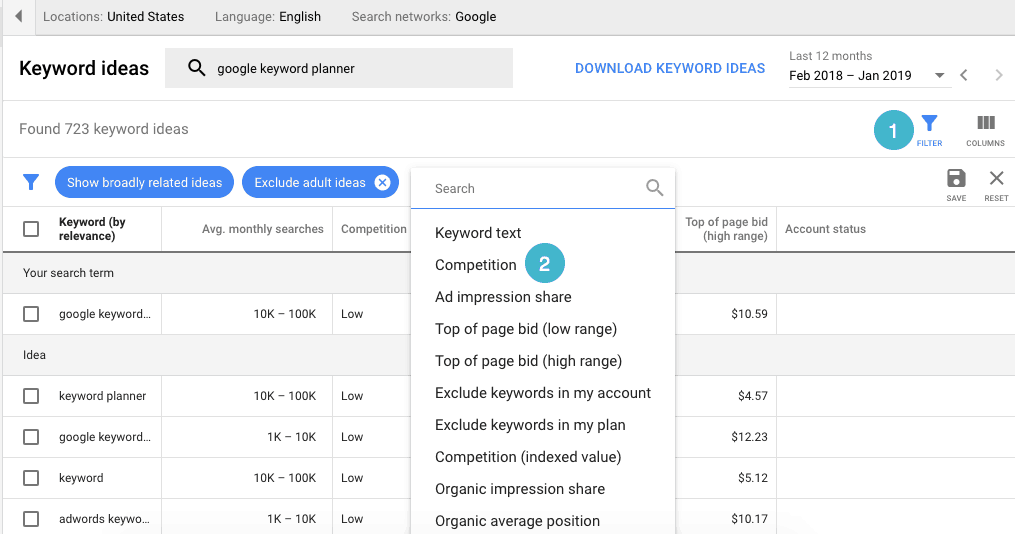
For each keyword, Google Keyword Planner provides data on average monthly search volume and competition. Lebohang is particularly interested in search volume, as it tells him how many people are looking for the keywords he’s considering. He wants to focus on keywords with substantial search volume, as this increases his chances of attracting customers.
How to Use Google Keyword Planner Without Creating an Ad:
Lebohang is not interested in creating Google Ads at this point. He simply wants to leverage the tool to find keywords that resonate with his business and connect him with his global customer base. Fortunately, Google Keyword Planner allows him to do just that.
When you access Google Keyword Planner, you may notice a prompt encouraging you to “Create a Campaign.” Ignore it. You can skip the guided setup and go straight to keyword research. No need to set up a full ad campaign unless you’re ready to dive into online advertising.
So, for Lebohang and anyone looking to explore the tool without committing to advertising, here’s what you should do:
1. Skip the Guided Setup:
On the campaign creation page, look for the option to “Skip the guided setup.” Click on this, and you’ll bypass the campaign setup process. This is where you break free from the ad creation process and access the keyword treasure chest directly.
2. Focus on Keyword Research:
Now, you’re in the realm of keyword research, and the possibilities are endless. You can enter keywords relevant to your business, just like Lebohang did earlier. Google Keyword Planner will then generate a list of keyword ideas and provide essential data for each, such as search volume, competition, and bid estimates.
By following these steps, you can explore the tool without being obligated to run an advertising campaign. It’s like having the treasure map but choosing when and how to embark on the journey.
Tweet Call to Action:
🔍 Discover the treasure chest of keywords with Google Keyword Planner! Find the key to online visibility and watch your business soar. #SEO #KeywordResearch
Are you still with me? This shows how much you want to leverage Google Keyword Planner. Now let’s proceed on Lebohang’s journey and practical tips for leveraging Google Keyword Planner.
Finding Valuable or Profitable Keywords:
Now that Lebohang has made his way into the treasure trove of keywords, it’s time to understand how to find the most valuable ones. Valuable keywords are like precious gems in the vast desert of the internet. They can lead customers to your doorstep and help your business thrive. But how do you identify these precious keywords?
Let’s continue Lebohang’s journey to uncover these gems. As he scrolls through the keyword suggestions in Google Keyword Planner, he finds himself captivated by the potential of certain keywords. These are keywords that resonate with his craft – handwoven mohair blankets, traditional Lesotho artisan blankets, and unique African mohair throws. These keywords speak directly to the heart of what he offers. This is the first step in finding valuable keywords – relevance.
What to consider when choosing keywords for your business?
Keyword Relevance:
Valuable keywords are those that are highly relevant to your business, products, or services. They are the words and phrases that your potential customers are likely to use when searching for what you offer. For Lebohang, focusing on keywords that directly describe his blankets ensures that he connects with customers genuinely interested in his craft.
Short-Tail vs. Long-Tail Keywords:
Keywords come in different lengths and complexities. Short-tail keywords are brief and general, like “mohair blankets,” while long-tail keywords are more specific, like “handwoven Lesotho mohair blankets with traditional designs.” Lebohang realizes the power of long-tail keywords – they attract customers who are looking for something very specific, which often means they’re closer to making a purchase decision.
Keyword Competition:
In Google Keyword Planner, you’ll notice a metric for keyword competition. This tells you how many advertisers are bidding on a particular keyword. For Lebohang, less competition is often better because it means he can secure a spot in search results without breaking the bank on advertising costs.
Using Keyword Data:
Lebohang has discovered a trove of keywords that resonate with his mohair blankets, but how does he put this newfound knowledge to use? Google Keyword Planner provides essential data for each keyword, which can guide his digital strategy.
Google Keyword Planner Strategy
1. Average Monthly Searches:
This metric tells Lebohang how often people search for a specific keyword in a month. Higher search volumes indicate more significant interest. By focusing on keywords with substantial search volume, Lebohang ensures that he’s targeting a larger potential audience.
2. Competition:
Keyword Planner provides a competition rating for each keyword, from low to high. Lower competition keywords are often easier to rank for. Lebohang is keen on balancing search volume with low competition to maximize his visibility without intense competition from other advertisers.
3. Bid Estimates:
While Lebohang isn’t running ads, bid estimates can provide valuable insights into the monetary value of certain keywords. This can help him gauge the potential profitability of using specific keywords in his content.
For instance, Lebohang sees that the keyword “handwoven Lesotho mohair blankets” has a high average monthly search volume with low competition. This tells him that many people are looking for what he offers, and he can potentially rank well in search results.
Now that he’s armed with this knowledge, Lebohang can focus on integrating these keywords into his online presence, which is where the real magic happens.
Tips for Effective Keyword Research:
While Lebohang has made significant strides in keyword research, he knows that there’s more to it than just selecting a few keywords and calling it a day. Effective keyword research is an ongoing process, and he’s eager to learn some valuable tips to ensure his success. Here are some tips that apply not only to Lebohang but to anyone looking to harness the power of Google Keyword Planner:
1. Keyword Trends and Seasonality:
Lebohang learns that keyword trends can change with the seasons and current events. Understanding these trends can help him tailor his content to what people are searching for right now. For instance, during winter, more people may be searching for “warm mohair blankets.”
2. Long-Tail Keywords Are Gold:
Lebohang has already realized the value of long-tail keywords. They may have lower search volume, but they often have higher conversion rates. These are customers who know what they want, and his specific products match their needs.
3. Content Quality and User Intent:
It’s not just about using keywords; it’s about creating high-quality content that meets user intent. Lebohang knows that he must write compelling descriptions of his blankets and how they are woven, providing value to potential customers.
4. Regularly Update Your Keywords:
Keywords are not set in stone. They evolve as search trends change. Lebohang commits to revisiting his chosen keywords periodically and adapting his strategy to stay relevant.
By following these tips, Lebohang is well on his way to crafting a successful digital presence. He’s on the verge of using these keywords to attract customers and grow his business.
Implementing Keywords:
Lebohang’s mohair blankets are exquisite, and now he’s equipped with the knowledge to make sure the world knows it. Implementing keywords involves seamlessly weaving them into the fabric of his online presence.
In his product descriptions, he can emphasize the artistry behind each handwoven mohair blanket. He can talk about the unique Lesotho traditions that inspire his designs. These keyword-rich descriptions will not only attract customers searching for these terms but also provide them with valuable information.
He can also use keywords in his blog posts. A blog about the mohair weaving process in Lesotho, for instance, would naturally incorporate keywords like “traditional Lesotho blankets” and “handwoven mohair throws.” It’s about creating content that resonates with both customers and search engines.
Lebohang understands that the magic happens when you don’t just stuff keywords into your content but craft them into meaningful, valuable narratives. Quality is key, and Google recognizes content that genuinely serves user intent.
But Lebohang’s journey doesn’t end here. Like any explorer, he knows that tracking his progress is essential.
Tracking Performance:
Lebohang’s mohair blankets have made their online debut, and he’s started incorporating keywords into his content. Now, he’s keen to understand how these keywords are performing.
Enter the world of keyword tracking. This step is vital to measure the impact of your SEO efforts and adapt your strategy accordingly. Lebohang has several options:
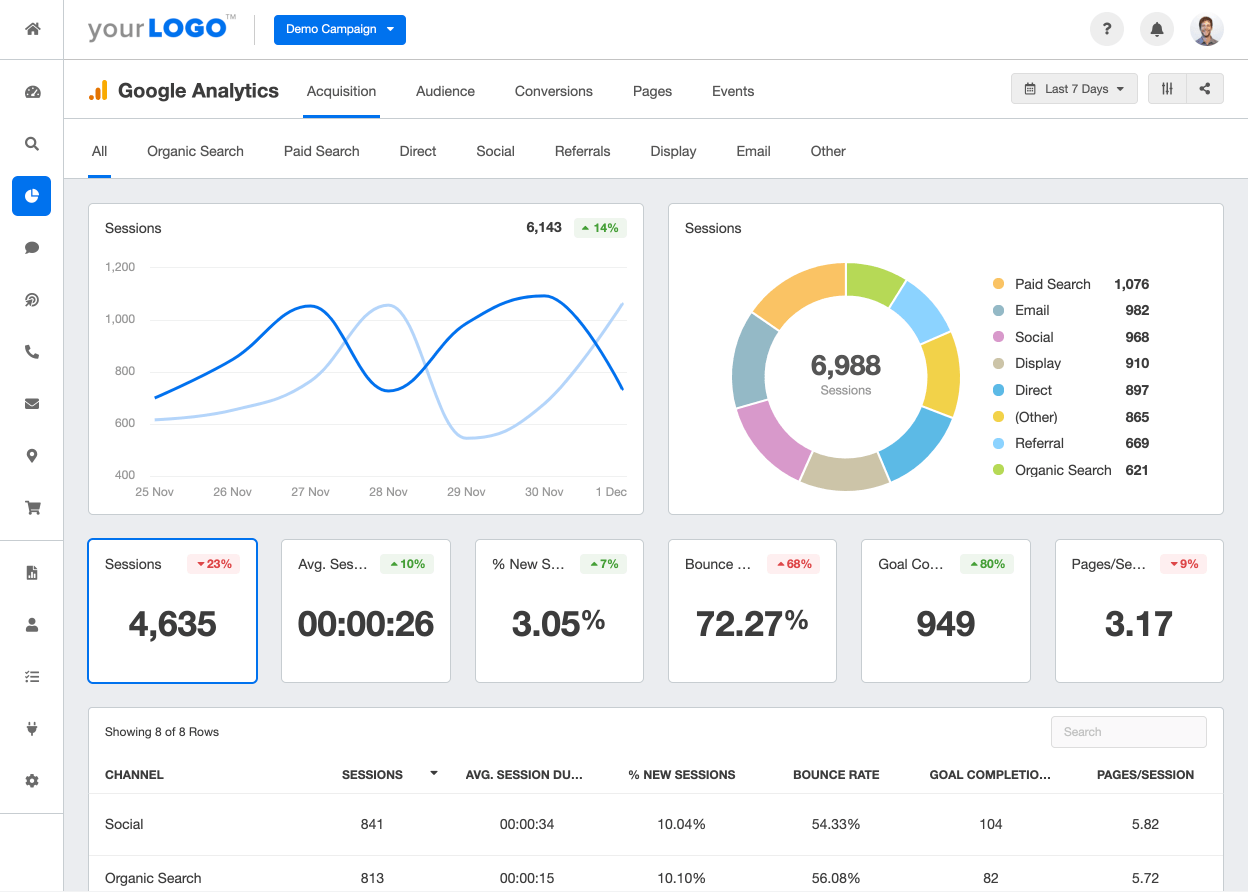
Measuring the impact of SEO efforts and adapting it in your strategy
1. Google Analytics:
Lebohang can integrate Google Analytics with his website to track the performance of his chosen keywords. He’ll be able to see which keywords are driving traffic, where his visitors are coming from, and how they interact with his site.
2. SEO Tools:
There are numerous SEO tools available that can track keyword rankings and monitor website performance. These tools provide detailed insights into how keywords are performing over time.
3. Conversion Tracking:
Lebohang can set up conversion tracking to see which keywords lead to actual sales or other desired actions on his website. This helps him understand the real impact of his keyword choices.
Lebohang has set up these tracking mechanisms to keep a close eye on his digital journey. It’s like having a compass to ensure he’s on the right path and to make adjustments as needed.
The Suspense Unveiled:
Earlier, as we embarked on Lebohang’s journey into the digital world, I left you with a sense of suspense. What happened next, you might have wondered? Let’s revisit that captivating narrative from the heart of Lesotho.
Lebohang, with his newfound knowledge of Google Keyword Planner, was ready to make his mark on the digital landscape. Armed with keywords like “handwoven Lesotho mohair blankets” and “unique African mohair throws,” he set out to craft a digital presence that would resonate with potential customers worldwide.
As the seasons changed and winter descended upon Lesotho, the demand for cozy mohair blankets surged. Lebohang’s website, optimized with the right keywords, started to attract visitors who were genuinely interested in his handwoven creations. The enchanting descriptions of his blankets, interwoven with these keywords, told a story of tradition, craftsmanship, and warmth. It was a story that resonated with hearts and homes far beyond the borders of Lesotho.
One day, as the snow-covered peaks of the Maluti Mountains glistened in the sunlight, an email notification popped up on Lebohang’s screen. It was an order from a customer in Canada. His heart swelled with pride as he carefully packed one of his blankets, knowing that a piece of Lesotho’s heritage would soon find a new home across the oceans.
Lebohang’s digital journey had transformed his business. He wasn’t just selling blankets; he was sharing a piece of his culture and heritage with the world. The suspense that hung in the air was replaced with the joy of discovery, a journey into the world of digital possibilities.
Conclusion: What You’ve Learned:**
In our journey with Lebohang, we’ve uncovered the power of Google Keyword Planner, a tool that has the potential to change lives and businesses. Here’s a summary of what you’ve learned:
– Understanding Google Keyword Planner: We’ve demystified Google Keyword Planner, showing you that it’s not just for advertising but a gateway to keyword treasure.
– Accessing the Tool: You’ve seen how simple it is to access Google Keyword Planner with just a Google account.
– Navigating the Tool: We’ve walked through the various features and functionalities of the tool.
– Using Keyword Planner Without Creating an Ad: The option to skip the guided setup and focus on keyword research without an ad campaign.
– Finding Valuable Keywords: Discovering the importance of relevance, the power of long-tail keywords, and gauging competition.
– Using Keyword Data: How to leverage the provided data to make informed decisions.
– Tips for Effective Keyword Research: Insights into trends, the magic of long-tail keywords, content quality, and adapting to change.
– Implementing Keywords: Crafting meaningful content using keywords that resonate with both users and search engines.
– Tracking Performance: The importance of monitoring keyword performance to adapt and improve.
– The Suspense Unveiled: The journey of Lebohang, a humble blanket weaver from Lesotho, who harnessed the power of keywords to transform his business and share his heritage with the world.
Now, as you’ve walked this path with us, it’s your turn. Implement these insights into your online presence, whether you’re an entrepreneur, content creator, or simply someone curious about the digital world. As Lebohang’s journey showed us, the possibilities are endless, and with the right keywords, you can connect with people, touch hearts, and share your unique story.
We’d love to hear your thoughts. What steps will you take after reading this article? How do you plan to use Google Keyword Planner in your digital journey? Share your insights in the comments below, and let’s continue this conversation.
Don’t miss out on more tips, stories, and guides to navigate the digital landscape. Subscribe to our newsletter for regular updates. And if you found this article valuable, share it with your network, because the world is full of Lebohangs, waiting to share their unique stories with the world.
Thank you for joining us on this journey through the enchanting land of keywords and digital discovery. Until next time, keep exploring, keep discovering, and keep sharing your story with the world.

 Earn Online Lesotho